Exploring the World Islands: A Comprehensive Overview
Intro
The World Islands in Dubai stand as a remarkable feat of human ingenuity and ambition, capturing the imagination of people worldwide. These artificial islands, shaped into the contours of a world map, showcase both creativity and the modern capabilities of engineering. The project's sheer scope raises questions about its implications—socially, economically, and environmentally.
In this article, we will journey through the core elements of the World Islands project. From tracing its historical roots and cultural significance to exploring various local amenities and future prospects, we aim to paint a detailed picture of this ambitious endeavor.
The World Islands are not just a tourist attraction; they represent Dubai's vision to redefine luxury living and sustainable tourism. As we examine the geographical context, the challenges that the developers encountered, and the ongoing projects, it becomes evident that the World Islands are a significant part of Dubai's narrative. This narrative is built on innovation, resilience, and an aspiration to lead in the global arena.
Preamble to the World Islands
The World Islands project stands as a testament to human ingenuity and ambition in the realm of modern construction and urban planning. Situated off the coast of Dubai, this intricate arrangement of artificial islands presents not only a unique aesthetic but also a significant cultural and economic investment. As we delve into this overview, it is essential to consider what the World Islands symbolize amidst the vast urban landscape of Dubai. Their creation reflects a bold vision—one that aims to redefine tourism, luxury living, and ecological sustainability in this vibrant region.
Historical Context
To grasp the magnitude of the World Islands, one must first consider their historical backdrop. The concept dates back to the early 2000s when Dubai sought to diversify its economy, which heavily relied on oil. These islands were envisioned not merely as leisure spots but as a symbol of Dubai's aspiration to position itself as a global hub for tourism and innovation. The project mirrors the UAE's rapid development and is rooted in the historical context of the region, where the pursuit of progress has often been coupled with groundbreaking architectural feats.
The islands were designed to resemble a world map, featuring countries and continents, which captures both a geographical perspective and a metaphorical ambition. It signifies a bridging of cultures, an invitation for exploration, and a reflection of global interconnectedness. History shows us that Dubai has frequently embraced transformative projects, and the World Islands are a continuation of this legacy.
Project Vision and Objectives
The vision behind the World Islands is as multifaceted as the islands themselves. Primarily aiming to create a distinctive tourism destination, the project’s objectives also embrace environmental stewardship and economic diversification. The idea was to attract affluent travelers eager for a unique experience, while also promoting sustainable practices within the development.
Several key objectives guide the project:
- Tourism Development: Creating luxury resorts and residential spaces catering to high-net-worth individuals.
- Cultural Exchange: Encouraging international visitors to engage with the diverse offerings of each island, enhancing cross-cultural dialogue.
- Sustainability: Implementing eco-friendly practices in both construction and long-term maintenance to protect marine ecosystems.
The comprehensive plan strives to position Dubai as a leading destination on the global tourism map while balancing economic gains with environmental and social responsibility. Overall, the World Islands are not just structures on a map; they represent a larger narrative about aspiration, global connectivity, and sustainable vision for the future.
Geography of the World Islands
Understanding the geography of the World Islands is vital to grasp its aspirations and significance. Located just off the coast of Dubai, these islands form an intricate archipelago that mirrors global landmarks. This geospatial layout serves as a defining feature of the project, which aims not just at real estate, but at creating an illusion of global unity and diversity within a singular locale. The location also provides an opportunity for exclusive tourism and luxury living, catering to an international clientele drawn to flavor and exoticism.
Location and Size
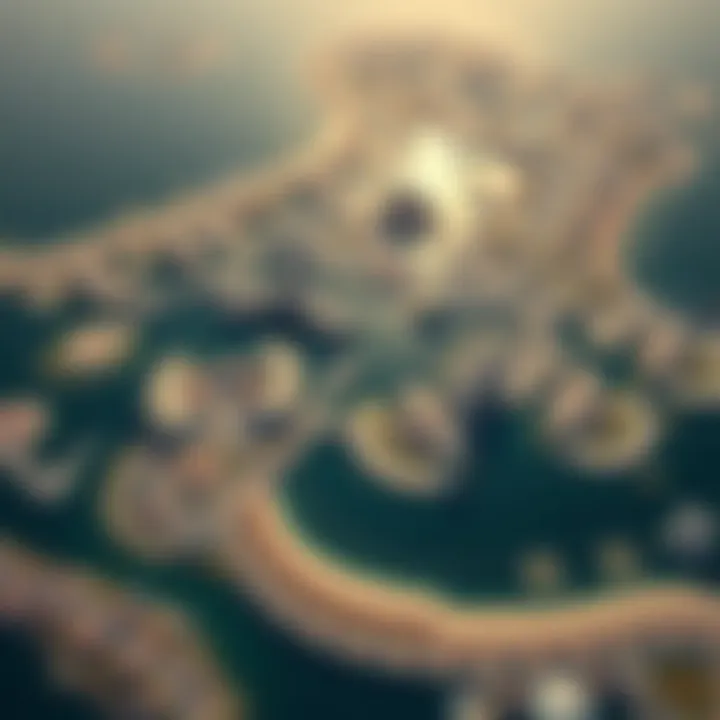
A short jaunt from Dubai’s bustling mainland, the World Islands stretch across approximately 300 acres, making it a staggering feat of artificial engineering. The entire archipelago comprises around 300 individual islands, painstakingly crafted to emulate continents and countries. Forming a cluster in the shape of a world map, each island has its unique configuration and purpose, collectively offering a wide scope for investment and tourism. It’s like preparing a sumptuous banquet where each dish represents various cultures and experiences.
Individual Islands Overview
Island of Great Britain
The Island of Great Britain is one of the most noteworthy sections of the World Islands. Designed with the intention of capturing the essence of British culture, it features aspects reminiscent of London, from the architecture to parks. This island abundantly contributes to the overarching goal of blending various cultures. One key characteristic is its emphasis on traditional English aesthetics, which is a magnetic draw for visitors intrigued by British history.
Moreover, the island includes distinctive features like a replica of the iconic Big Ben, aiming to invoke familiarity in a foreign setting. A potential disadvantage lies in the ongoing debate on authenticity and the execution of such cultural representations.
Island of France
Next, let’s glide over to the Island of France. This area is especially an eye-catcher due to its design aesthetic that aims to capture the quintessential French romance. With its charming streets and characteristic boulangeries, the island stands out for its café culture, attracting many tourists keen for a taste of Paris, all while sunbathing near the Gulf.
An essential aspect of this island is its commitment to luxury dining experiences, drawing a link between culinary art and tourism. However, a downside may be the higher costs associated with tourist activities, which could limit accessibility for some visitors.
Island of Italy


The Island of Italy distinguishes itself with its Mediterranean flair and vibrant character. This island seeks to emulate iconic destinations such as Venice and Florence. Think of gondolas gliding along shimmering waterways and exquisite piazzas filled with robust flavors and colors. Its atmosphere is seen by many as a delightful enclave that uplifts the spirit.
Perhaps the most beneficial feature is the numerous art installations scattered throughout, celebrating Italian culture and creativity. On the flip side, potential visitors might find the competition among islands vying for attention a bit overwhelming, as they set out to experience what each has to offer.
Through these diverse islands, the World Islands project encapsulates the global spirit and serves as a cultural tapestry, inviting residents and tourists alike to explore a world of experiences—right at their doorstep.
Development Phases
The developmental timeline of the World Islands holds paramount importance in understanding not just the physical attributes of the project, but also the strategic foresight behind its inception. Examining the phases involved reveals insights into the overall execution process, planning intricacies, and adjustments made in response to external and internal factors. This section explores the initial construction and the current status of development, providing a thorough landscape of progress, challenges, and future directions.
Initial Construction
The initial construction phase was marked by both ambition and challenges, a true spectacle given Dubai's relentless drive towards innovation. Launched in the early 2000s, it began with extensive geological surveys and marine studies to determine the viability of creating land from scratch in the Arabian Gulf. This stage wasn’t merely about breaking ground; it included meticulous planning to ensure sustainability and minimal disruption to the existing marine ecosystem. The construction used advanced techniques to create the islands, including innovative land reclamation methods that involved the dredging and transporting of millions of cubic meters of sand.
Building the World Islands required a meticulous approach to overcome geographical limitations and environmental considerations. Engineers grappled with ensuring structural integrity against coastal erosion and rising sea levels. Therefore, in the early stages, significant investment was pivoted toward research and development. Tropical storms and shifting tides often posed challenges, necessitating design adaptations. Through a combination of state-of-the-art technology and a resilient workforce, the project reached pivotal milestones, including the establishment of a unique, recognizable landform.
"The World Islands are a canvas that showcases human ingenuity and determination against the backdrop of nature."
Current Status of Development
Currently, the development of the World Islands is in a state of gradual progression, characterized by selective island development and varying degrees of completion across the project. As of late 2023, several islands have welcomed developers and investors with visions of luxury resorts, private villas, and unique commercial ventures. The availability of infrastructure, such as roads and utility networks, is becoming cemented as more projects gain momentum.
While some islands, like the Island of Great Britain, have seen robust activity and investment, others are still in the conceptual stages. Ongoing projects aim to enhance connectivity and accessibility, aiming to integrate each island into a cohesive, functioning destination. There is a push for eco-friendly practices whereby developers are incorporating sustainable materials and energy-efficient designs, reflecting a growing consciousness about the environment.
Significant attention to tourism potential also marks the current phase. With more people eyeing travel possibilities post-pandemic, expectations for the World Islands have surged. Developments geared towards luxury and experiential tourism are key focuses for stakeholders, positioning the islands as not just a destination, but a lifestyle hub. The ability to draw in global tourists while preserving the natural beauty of the Gulf remains a critical challenge, one that developers are closely monitoring and adapting to.
In summary, the development phases of the World Islands depict a trajectory filled with potential and complexity. Understanding these phases is essential for grasping the broader implications of this landmark undertaking.
Cultural Significance
The cultural significance of Dubai's World Islands cannot be overstated. This ambitious project is not merely a physical structure; it is a symbolic representation of Dubai's aspiration and identity on a global stage. The islands serve as a canvas for a blend of diverse cultures, traditions, and lifestyles, which enrich the area's social fabric. These artificial islands echo the resilience and forward-thinking mindset of the Emirati people, showcasing how ingenuity can transform bold visions into reality.
Impact on Local Identity
Delving deeper into the impact on local identity, the World Islands offer a unique opportunity for cultural expression. Each island is designed to embody different cultures, creating a collective space that celebrates diversity. For instance, the Island of Great Britain might attract tourists eager to relive their own heritage, while the Island of France may flaunt its art and gastronomy. This cultural amalgamation fosters a sense of pride among locals and residents alike, enhancing their connection to the global community.
In turn, it reshapes Dubai's identity as a melting pot rather than merely a hub for commerce and tourism. The islands serve as a platform where cultural dialogues can occur, allowing for deeper interactions among visitors from various backgrounds. For residents, this exposure to global cultures within their vicinity broadens perspectives and enriches daily life.
Tourism and Cultural Exchange
Tourism forms a cornerstone of the World Islands' value, as it invites visitors from all corners of the globe. The potential for tourism here is vast; various cultural festivals and events could be held, celebrating everything from culinary arts to traditional music and dance. This not only enhances Dubai's appeal as a tourist destination but also stimulates cultural exchange.
Moreover, the islands can facilitate dialogue among different communities, creating spaces where traditions and modernity coexist. For example, workshops teaching local crafts or gastronomy can be arranged, promoting hands-on experiences for tourists. These initiatives contribute significantly to the economic landscape but go beyond mere commerce by knitting the fabric of international relations and understanding.
Economic Implications
The economic implications of the World Islands project in Dubai are crucial to understand as they not only reflect the ambitions of the city but also the broader impacts on the region and beyond. With a large-scale project such as this, economic revitalization, investment, and job creation are paramount. The allure of building an archipelago that mirrors global landmarks brings with it both opportunities and challenges that can shape the future landscape of tourism and commerce.
Investment Opportunities
Investment in the World Islands is akin to planting a seed in fertile soil. There are numerous avenues for businesses and investors to explore. From real estate developments to hospitality ventures, the potential returns on investment can be significant. With the islands strategically designed, they provide the chance for luxury resorts and high-end residences – catering to a clientele that’s not just local but global.


Moreover, governmental incentives bolster this potential. The Dubai government has consistently encouraged foreign investment through favorable policies, which creates a safe harbor for investors. It’s not uncommon to see massive brands scouting opportunities in real estate and setting up shop in these unique structures. For instance, companies like Four Seasons and Hilton have expressed interest in establishing resorts on these islands, further enhancing their appeal and financial viability.
"The allure of the World Islands transcends basic tourism, tapping into investment opportunities that could potentially harvest profits multi-fold for years to come."
Importantly, these investments are not limited to large corporations. Small and medium-sized businesses can also find niches within this unique environment, providing services, goods, and tourism-related experiences that can thrive amid a burgeoning tourist crowd. With increased visibility, sustainable investment opportunities arise alongside technology and infrastructure enhancement.
Job Creation and Economic Growth
Job creation is another vital element stemming from the World Islands. As construction and development progress, countless jobs are created, spurring economic growth in the region. Skilled labor is in demand, from engineers to hospitality staff. The ripple effects lead not only to employment on-site but strengthen local businesses by increasing demand for food, services, and commodities.
Moreover, when the islands eventually welcome tourists and residents, the long-term job prospects mushroom. Restaurants, shops, and various recreational outlets will require staffing, creating a vibrant economy that benefits many.
The growth potential doesn’t stop at job creation. With increased population and tourism, ancillary industries like transportation and logistics also see a boost. Think ferry services and coastal excursions that connect the islands to the mainland of Dubai, providing further economic uplift.
In summary, the economic implications tied to the World Islands foster a multifaceted impact on the local economy while attracting global attention and investment. The harmony of investment opportunities and job creation represents a promising economic future that may shape Dubai's landscape for years to come.
Environmental Considerations
The construction and development of the World Islands in Dubai have stirred significant discussions regarding the environment. Understanding the environmental considerations is paramount in evaluating the project's overall impact and its alignment with sustainable practices. As we move toward a future where ecological awareness takes precedence, it becomes crucial to clarify how endeavors like this can coexist with the planet's health. This section delves into two key aspects: the ecological impact of such a large-scale project and the sustainability measures that have been put in place to mitigate adverse effects.
Ecological Impact
The ecological impact of the World Islands cannot be understated. When an entire archipelago is developed from scratch, it certainly raises alarms about biodiversity loss, habitat destruction, and changes in local marine ecosystems. This ambitious venture has significantly altered the natural coastline, which can lead to various challenges.
For instance:
- Disruption of Marine Life: The area surrounding the islands is a rich habitat for fish, crustaceans, and various marine organisms. Construction and subsequent activities can cause stress to these species, leading to potential declines in populations.
- Water Quality Concerns: During construction, sediment disturbance can lead to turbidity, impacting water quality. Poor water conditions might inhibit photosynthesis in underwater plants, further affecting the food chain.
- Coastal Erosion: The alteration of natural water flow due to island formation can induce unforeseen erosion, threatening existing coastal structures and natural habitats on the mainland.
"The ecological balance on the coast of Dubai is delicate. Large-scale projects like the World Islands must weigh their own progress against nature's resilience."
It's not just about building beautiful islands; it's about ensuring that the delicate balance of life beneath the waves is respected and preserved.
Sustainability Measures
In light of the environmental concerns surrounding the World Islands, it has become essential to implement sustainable practices aimed at reducing the negative impacts on marine and coastal environments. Forward-thinking measures are taken to align the project's execution with international sustainable development goals.
Some notable sustainability measures include:
- Environmental Impact Assessments: Before proceeding, thorough assessments were conducted to identify potential risks to ecosystems. These studies guide decision-making processes and aimed to limit detrimental consequences.
- Habitat Restoration Initiatives: For every area disturbed during construction, restoration initiatives are underway to bring back native flora and fauna. This could involve replanting mangroves or restoring coral reefs nearby.
- Innovative Waste Management: Waste produced during the development is meticulously collected and treated. Recycling programs are implemented, aiming to minimize the overall waste generated by construction initiatives.
- Renewable Energy Usage: The design and operations of some developments on the islands incorporate renewable energy solutions, reducing reliance on non-renewable resources and curbing carbon emissions.
In summary, addressing environmental considerations is essential for the success and longevity of the World Islands. The measures put in place are a step toward creating a sustainable paradise that respects the charms and needs of the natural world. As we look towards the future, ongoing evaluations and adaptations in these strategies will determine the long-term viability of this grand vision.
Future Prospects
The World Islands project holds a mirror to the future—a microcosm of what urban imagination and engineering can achieve. As Dubai continues to shape its identity as a global hub, understanding the future prospects of this ambitious project becomes paramount. With the potential to redefine hospitality, economy, and lifestyle, the discussion surrounding the World Islands is rich with implications for various stakeholders, including residents, tourists, expats, and investors.
Long-term Vision
The long-term vision for the World Islands interweaves a narrative of tourism, ecological sustainability, and a unique living experience. Developers intend for these islands to evolve into a premier tourist destination comparable to or even exceeding renowned locales such as Bali or the Maldives. The concept revolves around creating a self-sustaining ecosystem that not just draws visitors but also retains them—offering luxurious accommodation options, exquisite dining, and cultural experiences that reflect both local heritage and global influences.
Moreover, the long-term vision includes integrating renewable energy sources and sustainable practices. This aspect emphasizes a commitment to protecting the delicate marine and terrestrial environments surrounding the islands. Initiatives like solar energy harnessing and water recycling systems are just the beginning of these environmentally-conscious approaches. The goal is clear: providing a luxurious yet responsible experience that leaves a minimal ecological footprint.


Of note, the islands are also expected to host themed developments encouraging cultural exchange. Imagine a vibrant mix of international festivals, mango-picking seasons, and perhaps culinary showcases spanning different cuisines from around the globe. Such attractions can not only enhance tourism but also cultivate a global community that feels right at home in Dubai.
Potential Challenges Ahead
While the ambitions reside high in the clouds, several challenges lurk beneath the surface. Mitigating ecological impact tops the list. The construction and ongoing development can snag the delicate balance of marine life and the local ecosystem. Regulatory bodies and environmental NGOs will play a crucial role in ensuring that developments do not come at the cost of nature. Navigating these regulations requires broad-based collaboration, which can be cumbersome but is non-negotiable.
Another hurdle involves the economic viability of the project. Though initial investments might be steep, the return on investment depends on ongoing visitor interest and sustained local engagement. There’s no sugar-coating it; good marketing strategies and maintaining high service standards will be vital in the competitive tourism landscape. If not executed well, the islands could end up falling flat, ultimately affecting the broader economic landscape of Dubai.
Lastly, the technological innovations required to bring this vision to life will demand not just financial resources but also skilled human capital. The labor market needs to be readily equipped with training programs tailored towards sustainable construction practices, project management, and hospitality services.
"The future belongs to those who prepare for it today." - Malcolm X
Integration with Dubai's Urban Landscape
The integration of the World Islands with Dubai's urban landscape is both a monumental achievement and a crucial contemporary focus area. This project aims to not only enhance Dubai's geographical beauty but also serve a myriad of functional purposes by adding unique dimensions to the city's skyline and lifestyle. Given Dubai’s rapid urbanization, the synergy between these man-made islands and the bustling metropolis is essential to redirecting attention and increasing real estate and tourism prospects.
Connectivity to Mainland Dubai
Connectivity stands as the backbone of any successful urban endeavor, and the World Islands are no exception. The design includes multiple routes that link these islands to the mainland, ensuring seamless access for both residents and visitors. The planned bridges and waterways will facilitate transportation and foster ease of movement, which is pivotal for the islands’ realized potential.
- Ferry services are set to operate regularly between the islands and Dubai, catering to both daily commuters and tourists, allowing for easy back-and-forth transitions.
- An emphasis on water taxis will offer not only practical transportation options but will also enhance the overall tourist experience, putting participants in a picturesque setting.
- The integration of road networks further enriches reminiscences of the city’s accessibility, making visits straightforward whether by public or private vehicles.
By fortifying this connectivity, the project looks to bolster the vitality of the islands, transforming them into vibrant hubs for recreation and leisure.
Complementing Existing Attractions
Part of what makes the World Islands an exciting offshore development is their potential to complement existing attractions in Dubai. By positioning these islands purposefully alongside popular landmarks, they stand to redefine tourists' encounters with the city.
- Beaches and eco-parks are envisioned on these islands, poised to appeal to both local citizens and visitors seeking a break from the urban frenzy.
- Planned hotels and shopping areas are designed to coexist with hotspots like the Burj Khalifa and the Dubai Mall, creating a more extensive network of activities and amenities.
- Additionally, strategizing to include cultural sites will allow the island's identity to resonate with Dubai's rich heritage, making the islands feel like a dynamic extension of the city itself.
As a result, together with the current attractions, the World Islands have the potential to provide a well-rounded and immersive experience for everyone—from tourists to residents—ensuring that there’s always something captivating to explore.
"The World Islands are designed not just as destinations, but as integral parts of a larger urban narrative that transforms Dubai’s allure."
For further reading, check out Britannica and information on urban development trends at Wikipedia.
In summary, the integration of the World Islands with Dubai's urban landscape represents a forward-thinking strategy aimed at enhancing connectivity and enriching the experience of living in and visiting Dubai. It is essential that stakeholders remain committed to developing this vision, weaving these islands seamlessly into the city's vibrant tapestry.
Closure
The conclusion of the article serves as a vital anchor point, solidifying the various threads woven throughout the narrative of the World Islands. It provides readers a chance to reflect on the extensive coverage of the project, from its rich historical roots to the present-day implications it carries. This section is essential as it synthesizes the insights gained across the article, tying together the distinct elements that underscore the significance of this grand endeavor.
Recap of the World Islands
In summarizing the World Islands, we revisit the ambitious nature of the project, which is not merely a collection of artificial islands but a manifestation of architectural ingenuity and a symbol of Dubai's relentless pursuit of innovation. Each island is designed with a specific theme or purpose, showcasing the diversity and creativity involved in their conceptualization. For instance, the Island of Great Britain reflects historical connections, whereas the Island of Italy focuses on leisure and cultural experiences.
Moreover, the integration of these islands into Dubai's urban framework cannot be overlooked. The World Islands project was not just designed for aesthetic appeal but aimed at enhancing Dubai’s position as a global tourism hub. Here are some key points to consider:
- Unique Architectural Designs: Each island boasts distinct features that cater to various interests.
- Cultural Exchange: The project creates opportunities for interaction between visitors and local cultures.
- Economic Growth Potential: The islands offer substantial investment opportunities, with promise for job creation in various sectors.
Revisiting these points emphasizes the multifaceted nature of the World Islands and their role in shaping not just the physical landscape of Dubai, but its economic, social, and cultural dynamics as well.
Final Thoughts on the Endeavor
As we wrap up this exploration, the World Islands stand as a testament to human creativity and ambition. The project symbolizes more than an architectural feat; it represents a bold statement about future possibilities. Yet, it also brings challenges that require careful navigation. \n\nFactors such as ecological concerns and ongoing economic viability continue to demand attention and innovative solutions.
Thus, the endeavor should not simply be viewed through the lens of its current state, but rather with an eye on its long-term sustainability and influence. It's important that stakeholders remain committed to embracing the potential pitfalls while seizing new opportunities that arise.